F1 cancels Bahrain and Saudi Arabia GPs because of Middle East war
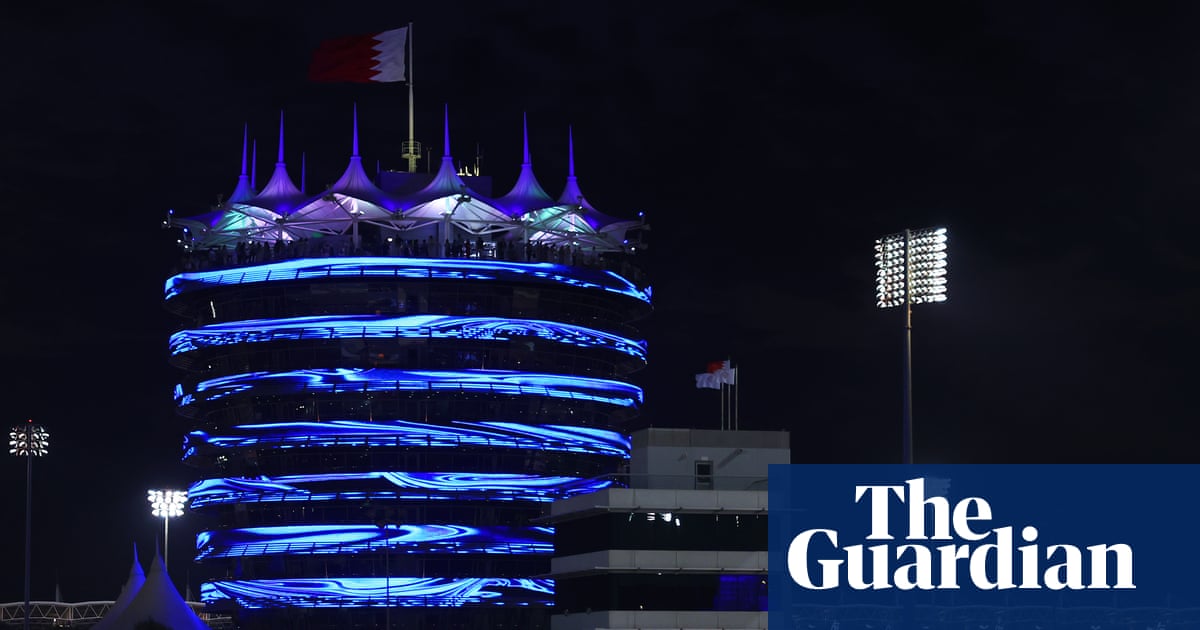
Formula One (F1) has officially cancelled the upcoming Bahrain and Saudi Arabian Grands Prix, originally scheduled for April 12 and April 19, 2026, respectively, due to the ongoing conflict in the Middle East. The decision comes as the sport faced logistical challenges and safety concerns, particularly given the proximity of the Bahrain circuit to a targeted US military base, located just 20 miles away. With the escalating situation in the region, F1 deemed it necessary to act swiftly to prevent further shipments of freight and equipment to Bahrain, which would have been required for the races.
Context of the Cancellation
The cancellation of these races marks a significant moment in the F1 calendar, as both Bahrain and Saudi Arabia have become prominent venues in recent years, attracting large audiences and substantial investment. The Bahrain Grand Prix has been a fixture since 2004, while Saudi Arabia joined the calendar in 2021, highlighting the sport's expansion into the Middle East. However, the current geopolitical climate, characterized by increased tensions and military actions, has created an environment where safety cannot be guaranteed for teams, drivers, and fans alike.
Implications for the F1 Calendar
F1 has indicated that it is unlikely to replace these races due to the logistical complexities involved in organizing a grand prix on short notice. The cancellation not only affects the teams and drivers but also has broader implications for sponsors, local economies, and fans who were looking forward to the events. The financial impact could be significant, with millions of pounds in lost revenue for local businesses and the sport itself.
Relevance to UK Farmers and Agronomists
While the cancellation of F1 races may seem distant from the agricultural sector, it serves as a reminder of the interconnectedness of global events and their potential ripple effects. UK farmers and agronomists should be aware that geopolitical instability can influence markets, supply chains, and even agricultural exports. For instance, disruptions in transportation routes or increased fuel prices due to conflicts can affect the cost of agricultural inputs and the price of goods in the UK market.
What to Watch Next
As the situation in the Middle East continues to evolve, UK farmers and agricultural suppliers should keep an eye on global commodity markets, particularly for oil and grains, which can be affected by geopolitical tensions. Additionally, the F1 cancellation may prompt discussions about the future of sporting events in volatile regions, potentially leading to a re-evaluation of where major events are held.
Looking Ahead
The cancellation of the Bahrain and Saudi Arabian Grands Prix is a stark reminder of the unpredictability of global events and their impact on various sectors, including agriculture. As the world navigates these challenges, UK farmers and agronomists must remain adaptable and informed about how such developments can influence their operations and the broader agricultural landscape. The future of F1 in the Middle East may be uncertain, but the lessons learned from this situation can help inform strategies for resilience in the face of global uncertainties.