Middle East crisis live: Trump ‘surprised’ Iran has targeted Gulf countries and claims US ‘decimated’ Kharg Island
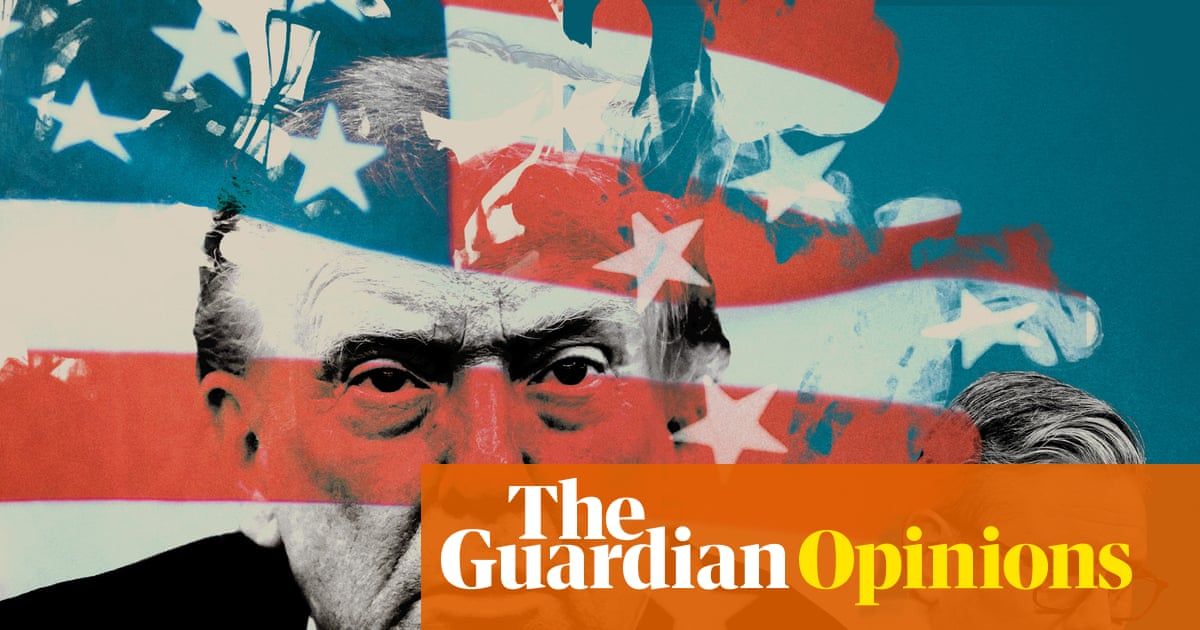
Recent statements from former US President Donald Trump have raised eyebrows regarding the ongoing tensions in the Middle East, particularly concerning Iran's actions in the Gulf region. Trump expressed surprise that Iran has targeted Gulf countries, while also claiming that the US had 'decimated' Kharg Island, a strategic oil terminal. He suggested that further military action could be taken against the island 'just for fun,' highlighting a potentially volatile stance that could escalate regional conflicts.
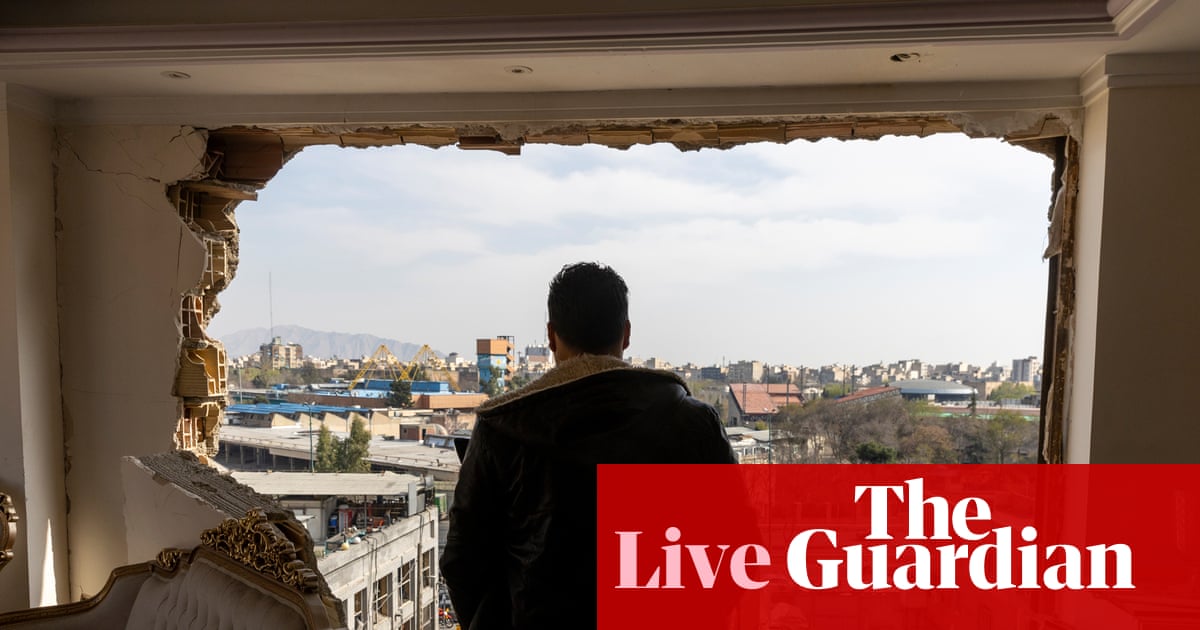
These comments come amid a backdrop of increasing hostilities in the Middle East, particularly with the ongoing conflict involving Israel and Hamas, which has seen a significant escalation in violence. The geopolitical landscape is further complicated by Iran's support for various militant groups in the region, which has historically led to tensions with Gulf states and Western powers.
For UK farmers, agronomists, and agricultural suppliers, the implications of these developments are multifaceted. The Middle East is a critical region for global oil supplies, and any military escalation could lead to disruptions in oil markets, impacting fuel prices and transportation costs for agricultural goods. The UK agricultural sector is particularly sensitive to fluctuations in fuel prices, which can affect everything from machinery operation to logistics in getting products to market.
Moreover, the potential for increased instability in the region could affect trade routes and supply chains. The UK imports a significant amount of agricultural products, and any disruption in shipping through the Suez Canal or other key maritime routes could have immediate effects on availability and pricing of goods.
Farmers should also be aware of the broader economic implications. Increased military action could lead to heightened sanctions against Iran, which may affect global commodity prices, including those for grains and oilseeds. This could create volatility in the markets that UK farmers rely on for their exports.
As the situation develops, it will be crucial for stakeholders in the agricultural sector to monitor these geopolitical tensions closely. Keeping abreast of fuel prices, trade agreements, and potential sanctions will be essential for making informed decisions in the coming months. Additionally, farmers may want to consider diversifying their supply chains to mitigate risks associated with potential disruptions in the Middle East.
In conclusion, while the direct impact of Trump's comments may seem distant from the fields of the UK, the interconnected nature of global markets means that farmers and agronomists must remain vigilant and adaptable to the changing geopolitical landscape.