
Livestock Farming News
Follow the latest livestock farming news covering beef, dairy, sheep, pigs, and poultry across the UK. From market prices and breeding developments to animal health alerts, welfare regulations, and grassland management, this section brings together stories that matter to livestock producers. Whether you are monitoring finished cattle prices, tracking TB testing policy, or looking for guidance on winter housing and forage quality, our aggregated feed keeps you informed on the issues shaping UK livestock farming today.
Latest livestock news

As May approaches, UK farmers are under pressure to apply fertiliser to silage ground, with many still having full slurry tanks and stored fertiliser. The timely application of fertiliser is crucial for optimal grass growth, which directly impacts silage quality and yield. Delays in fertiliser application could lead to reduced forage availability, affecting livestock feed during the critical summer months. This situation highlights the importance of effective farm management and planning in ensuring that farmers can meet the nutritional needs of their livestock.

The UK government has issued guidance on the export of ungulates from approved confined establishments to the EU and Northern Ireland. This update is vital for farmers and agronomists, as it outlines compliance with post-Brexit trade regulations and identifies establishments eligible for livestock export.
Newcastle disease is a serious viral infection affecting poultry, requiring farmers to be vigilant in spotting symptoms and reporting suspected cases. Effective biosecurity measures and vaccination are essential to prevent outbreaks, which can have severe economic impacts on the poultry industry.
Farmers and agricultural businesses in the UK can now apply for or update their Welfare of Animals at the Time of Killing (WATOK) licence. This is essential for compliance with animal welfare standards during slaughter, impacting market access and consumer trust.
The UK government has outlined the activity codes necessary for obtaining a Welfare of Animals at the Time of Killing (WATOK) licence, emphasizing the importance of compliance for animal welfare and marketability. Farmers and suppliers must stay informed about these codes to ensure adherence to regulations and meet consumer demands for ethical practices.

The Home Office has approved a one-year visa extension for overseas sheep shearers, addressing concerns about potential sheep welfare issues due to labor shortages. This decision comes after warnings that millions of sheep could be left unshorn, impacting both animal health and the wool industry.
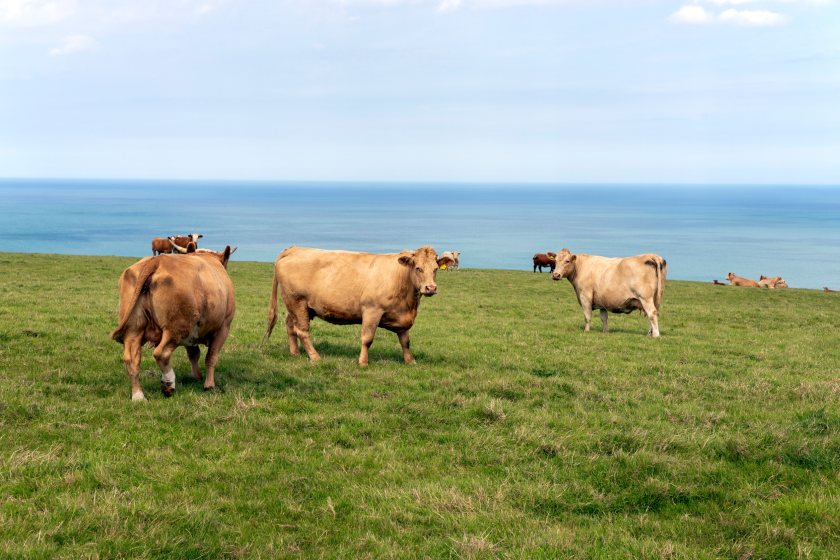
NFU Cymru has expressed concerns that Wales is unlikely to achieve its goal of being bovine TB-free by 2041 without significant changes to its eradication strategy. The organization emphasizes that current measures are insufficient to meet this target, highlighting the need for a more effective approach to tackle the disease.

Farmers and land managers in Scotland's first national park are receiving new support measures to address the increasing deer population that is causing damage to farmland. The management plan aims to mitigate the impact of deer on agricultural land, ensuring better protection for crops and livestock.
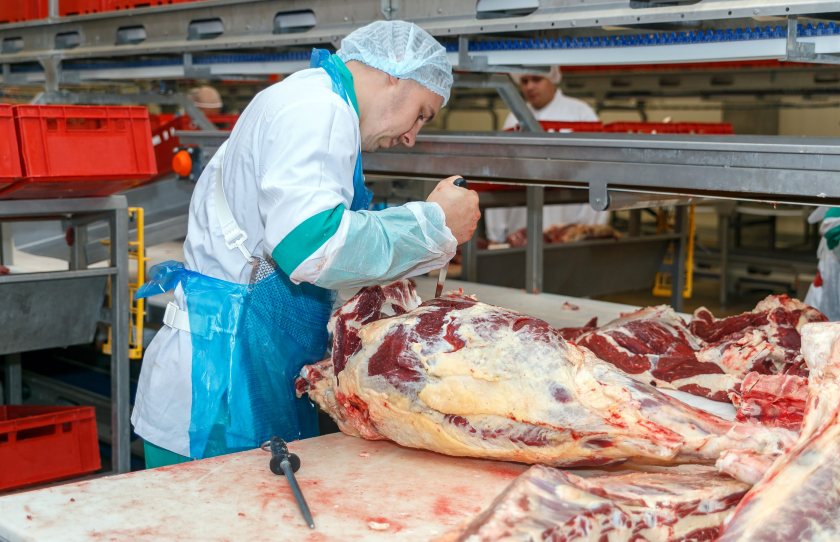
Pilgrim's Europe has established a new butchery academy to address the growing skills shortage in the UK meat industry. This initiative aims to enhance training and support for aspiring butchers, responding to the challenges faced by the sector.
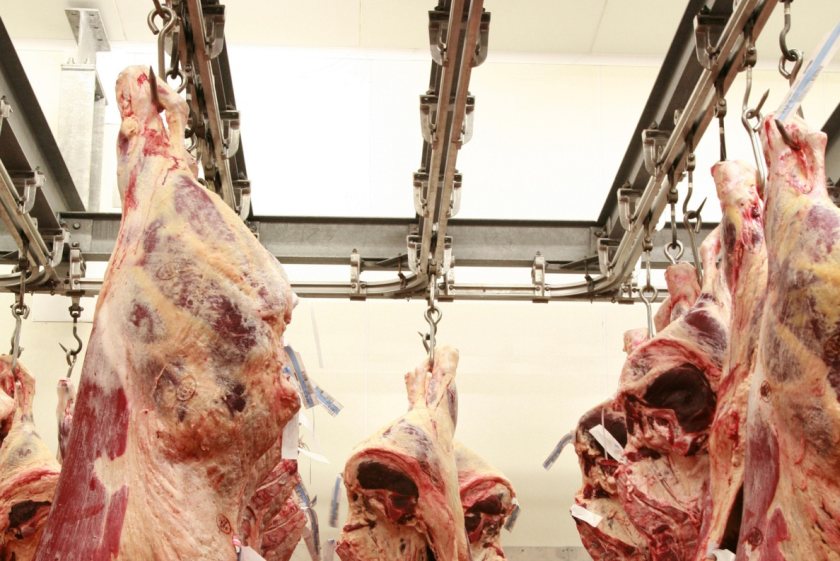
The Food Standards Agency (FSA) has announced a more than 20% increase in veterinary inspection fees, raising concerns within the UK abattoir sector. This hike in charges is expected to add further financial pressure on an already struggling industry, particularly affecting livestock operations.

A taste test of supermarket tortillas reveals a range of quality and texture, with some products closely resembling the traditional Spanish omelette experience when reheated. The review highlights the use of free-range eggs in many tortillas but notes a lack of transparency regarding ingredient origins. Overall, while shop-bought tortillas may not fully replicate the fresh version, some options come surprisingly close.

The article explores the complexities of sibling relationships, particularly in families where children are raised apart due to parental separation. It discusses how different environments and birth order can shape personalities and experiences, emphasizing that siblings share a bond yet have unique childhoods influenced by various factors beyond just family dynamics. The piece highlights the need to understand these nuances to appreciate the diverse perspectives within sibling relationships.

A new study published in the Lancet Psychiatry highlights concerns regarding AI chatbots potentially encouraging delusional thinking in vulnerable individuals. The research suggests that while chatbots may not affect everyone, they could exacerbate psychotic symptoms in those already predisposed. The authors recommend that AI chatbots be used alongside trained mental health professionals for clinical testing.