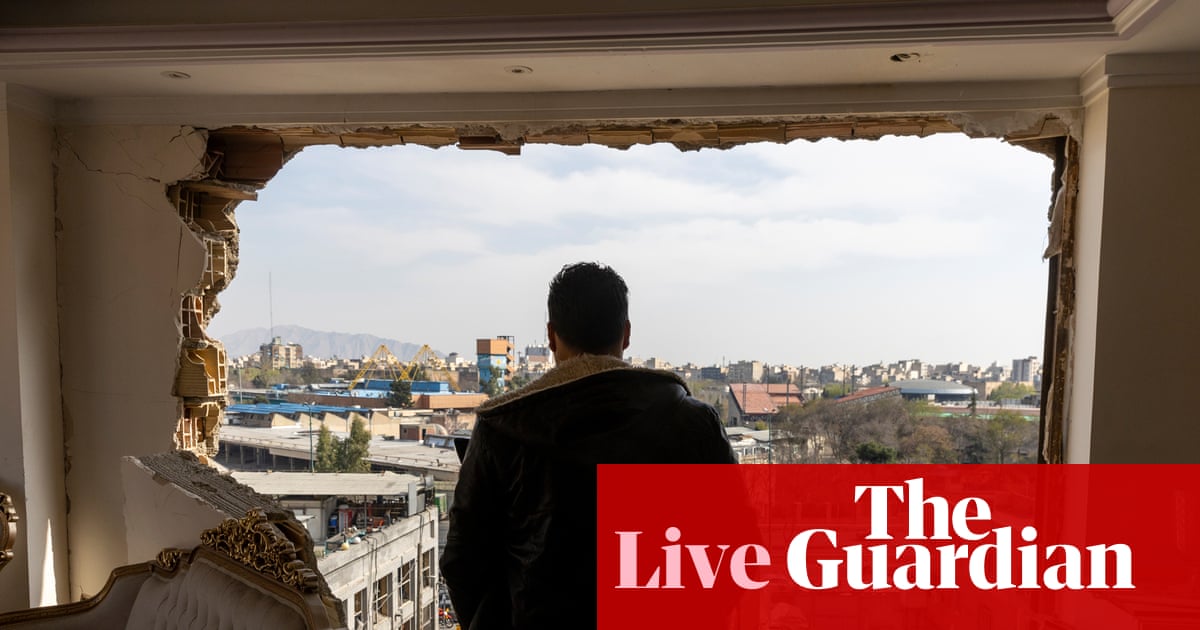
Ukraine war briefing: six people killed as Russia unleashes missile and drone attacks, officials say
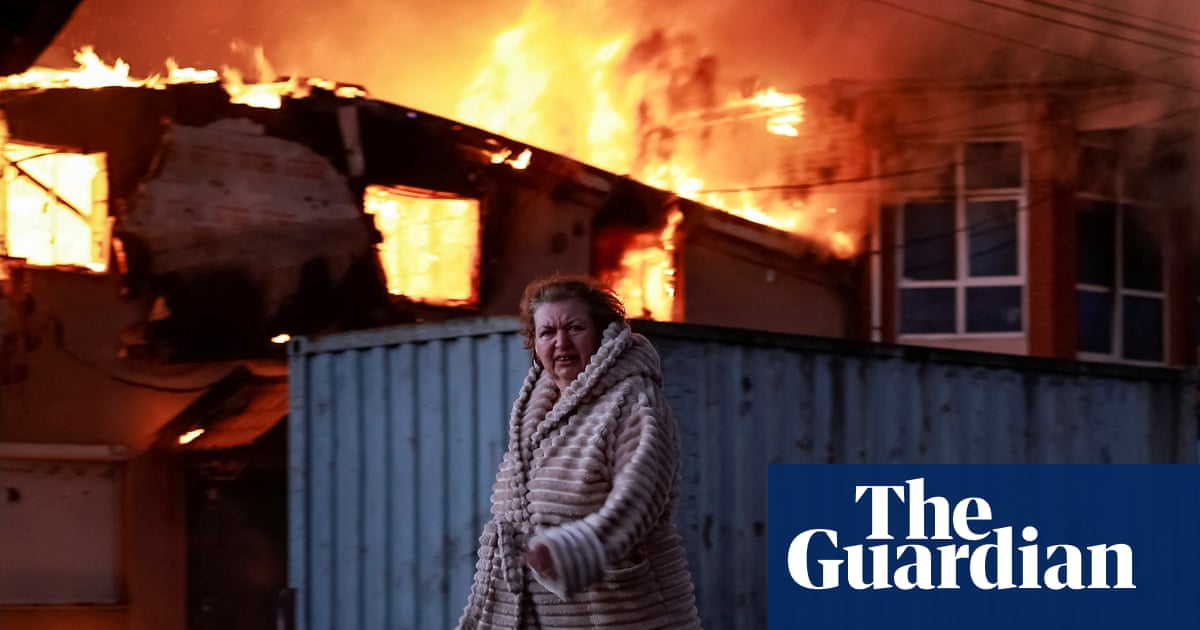
On Saturday, Ukraine faced a severe escalation in hostilities as Russia launched a significant missile and drone attack, resulting in the deaths of six individuals and injuries to fifteen others. The assault primarily targeted energy infrastructure in the Kyiv region, but also inflicted damage on residential buildings, schools, and businesses. Ukrainian President Volodymyr Zelenskyy reported that the attack involved approximately 430 drones and 68 missiles, with many intercepted by air defenses. The regions of Sumy, Kharkiv, Dnipro, and Mykolaiv also experienced strikes, contributing to a broader campaign aimed at crippling Ukraine's energy capabilities during the winter months. This ongoing conflict has left many urban areas without power or heating, exacerbating the humanitarian crisis as civilians endure harsh winter conditions without essential services. The situation has prompted heightened military readiness in neighboring countries, with Poland scrambling jets to monitor its airspace amidst fears of spillover from the conflict. The implications for UK farmers, agronomists, and agricultural suppliers are significant, particularly as the war continues to disrupt global supply chains and agricultural markets. The conflict has already affected grain exports from Ukraine, a major supplier of wheat and corn, leading to fluctuations in prices and availability in the UK market. As the winter progresses, stakeholders in the agricultural sector should closely monitor developments in Ukraine, as any further escalation could lead to increased volatility in commodity prices and supply disruptions. Additionally, the humanitarian impact of the war may prompt further international responses, including sanctions and aid, which could also affect agricultural trade dynamics. Farmers and agronomists should prepare for potential shifts in market conditions and consider diversifying supply sources to mitigate risks associated with ongoing geopolitical tensions.