All farming news

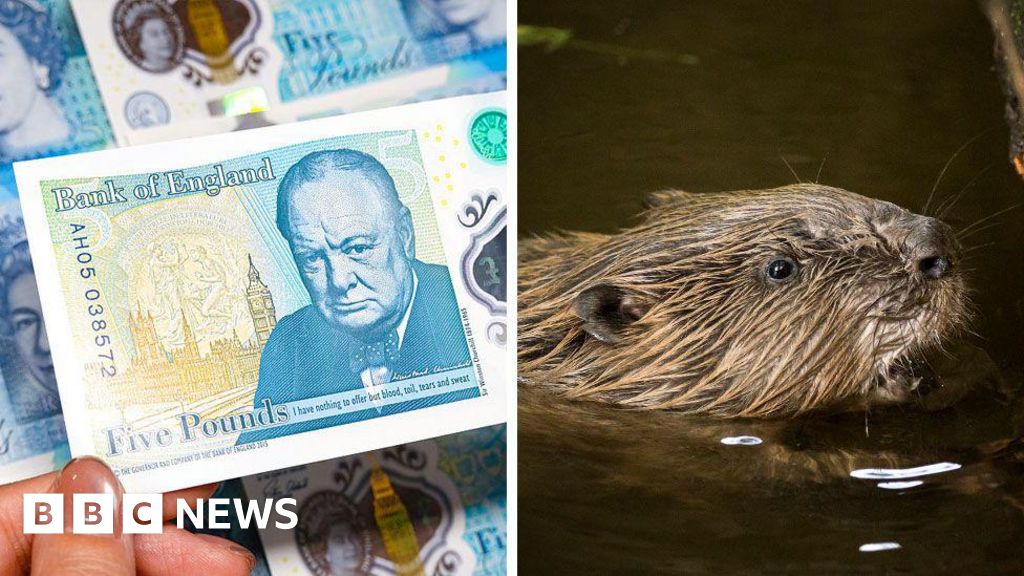
Banknotes, beavers and a very British backlash
BBC News General

The Bank of England's recent announcement to replace historical figures on banknotes with depictions of British wildlife has ignited a political firestorm. Following a public consultation that revealed a strong preference for nature-themed imagery, the Bank aims to enhance anti-counterfeiting measures while reflecting public sentiment. Political leaders, including Kemi Badenoch and Nigel Farage, have criticized the decision, particularly the removal of Sir Winston Churchill's image, arguing it erases historical significance. The RSPCA has proposed animals such as rats and pigeons for inclusion, citing their contributions during wartime and their intelligence. This shift in banknote design is significant for UK farmers and agricultural suppliers, as it reflects a broader societal trend towards valuing nature and wildlife, which could influence future agricultural policies and funding. Farmers should monitor public sentiment and potential changes in funding or support for wildlife conservation initiatives, as these may impact agricultural practices and biodiversity efforts in the UK. The Bank's decision also highlights the importance of public consultation in policy-making, a principle that could be applied to agricultural regulations and support schemes. As the Bank prepares to finalize its wildlife shortlist this summer, the agricultural community should remain engaged in discussions about the intersection of agriculture, wildlife, and public policy.


Read full article at BBC News General

Related stories

The NFU Education's Science Farm Live initiative has successfully engaged 255,000 pupils across the UK by bringing farming directly into classrooms. This program aims to enhance students' understanding of agriculture and its significance in food production and the environment. By integrating farming concepts into the science curriculum, the initiative not only educates young people about the agricultural sector but also fosters a greater appreciation for rural businesses and sustainable practices. This outreach is crucial for the future of UK agriculture, as it helps cultivate a knowledgeable generation that may pursue careers in farming and related fields.

Donald Trump's recent comments on Iran's military actions in the Gulf have raised concerns about potential escalations in the region. For UK farmers, this could mean fluctuations in fuel prices and disruptions in trade routes, impacting agricultural supply chains and market stability.

British conservatives are increasingly aligning with the American right, particularly the MAGA movement, as they seek to harness populist sentiments for political gain. This shift could have significant implications for UK agricultural policy, trade agreements, and labor availability, making it crucial for farmers and agronomists to stay informed and engaged with evolving political dynamics.

As May approaches, UK farmers are under pressure to apply fertiliser to silage ground, with many still having full slurry tanks and stored fertiliser. The timely application of fertiliser is crucial for optimal grass growth, which directly impacts silage quality and yield. Delays in fertiliser application could lead to reduced forage availability, affecting livestock feed during the critical summer months. This situation highlights the importance of effective farm management and planning in ensuring that farmers can meet the nutritional needs of their livestock.

Latest farming news