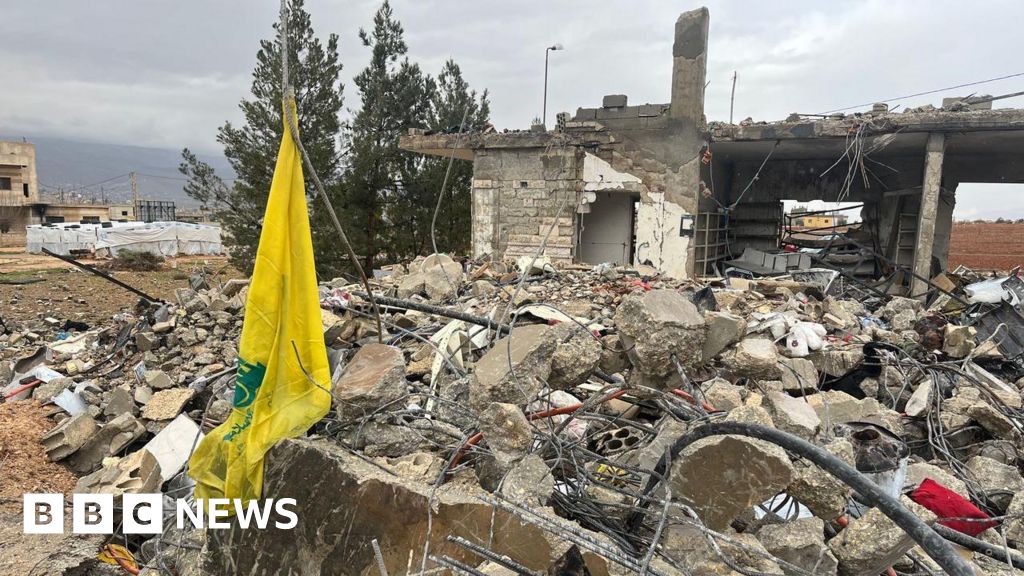
BBC visits aftermath of Israeli strike on Lebanon that killed family as IDF targets Hezbollah
The ongoing conflict between Israel and Hezbollah has escalated dramatically, with recent airstrikes resulting in significant civilian casualties in Lebanon. A tragic incident in the northeastern town of Younine saw the deaths of eight family members, including three children, during an Israeli strike purportedly targeting Hezbollah infrastructure. This incident highlights the severe humanitarian crisis unfolding in the region, where over 800 people have reportedly died due to Israeli military actions since the conflict reignited two weeks ago. Local witnesses and relatives have expressed disbelief at the Israeli military's claims, asserting that the victims were civilians gathering for a family meal during Ramadan. The situation has led to widespread displacement, with hundreds of thousands of people forced from their homes amid ongoing military operations. The Israeli Defense Forces (IDF) maintain that they are targeting Hezbollah, which they accuse of embedding military assets within civilian areas, yet the tragic loss of innocent lives raises critical questions about the conduct of military operations in densely populated regions.
Context of the Conflict
The renewed hostilities between Israel and Hezbollah can be traced back to long-standing tensions in the region, exacerbated by geopolitical dynamics involving Iran and its support for Hezbollah. The current escalation began nearly two weeks ago, with Israel conducting hundreds of strikes across Lebanon, primarily targeting areas known for Hezbollah's presence. The IDF claims that these operations aim to dismantle what they describe as terrorist infrastructure, yet the collateral damage and civilian toll have sparked outrage and condemnation from various quarters, including humanitarian organizations and local communities.
Humanitarian Impact
The aftermath of the Younine strike paints a grim picture of the humanitarian crisis affecting Lebanon. Eyewitness accounts describe a scene of devastation, with body parts scattered and the remnants of a family gathering reduced to rubble. The Lebanese health ministry reports that the death toll from Israeli strikes has surpassed 800, with many victims being civilians, including healthcare workers. The local community, which has strong ties to Hezbollah, is grappling with the loss of innocent lives, leading to a surge in anti-Israel sentiment and a rallying cry for resistance against perceived aggression.
Reactions from the Ground
Local residents have expressed their shock and grief, with many questioning the rationale behind the strikes. A local shepherd recounted the horror of witnessing the aftermath and the impact on the community, particularly on children who are now traumatized by the violence. Relatives of the victims have vehemently denied any affiliation with Hezbollah, asserting that the targeted family was simply gathering for a religious meal. This sentiment was echoed by Hassan al-Tahan, a school teacher and brother of one of the victims, who emphasized the civilian nature of the gathering and criticized the IDF's justification for the attack.
Implications for UK Farmers and Agronomists
While the conflict is geographically distant from the UK, the implications of such escalations can reverberate through global markets, including agricultural sectors. Disruptions in Middle Eastern supply chains, particularly in commodities like oil and grains, can lead to increased prices and volatility in the UK market. Additionally, the humanitarian crisis may prompt international responses that could affect trade relations and agricultural policies. UK farmers and agronomists should remain vigilant about market trends and geopolitical developments that could impact their operations.
What to Watch Next
As the situation continues to unfold, it is crucial to monitor the responses from international bodies, including the United Nations, and any potential ceasefire negotiations. The humanitarian needs in Lebanon are likely to escalate, prompting calls for aid and support from various nations, including the UK. Farmers and agricultural suppliers should also be aware of potential shifts in trade policies or sanctions that could arise from the ongoing conflict.
Looking Ahead
The tragic events in Younine serve as a stark reminder of the human cost of conflict and the complexities of military engagements in civilian areas. As the situation develops, the potential for further escalation remains high, with both sides entrenched in their positions. The international community's response will be critical in shaping the future of the region and addressing the urgent humanitarian needs of those affected. For UK farmers and agronomists, understanding the broader implications of such conflicts is essential for navigating the challenges that may arise in the agricultural landscape.