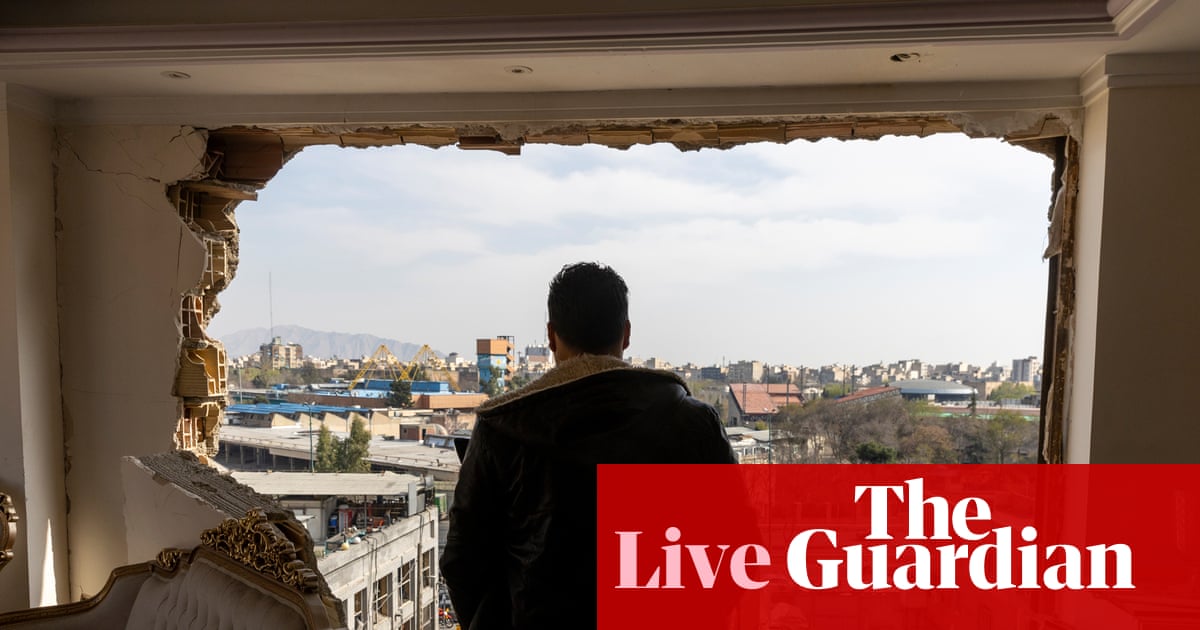
FCC chair threatens to throttle news broadcasts over ‘hoaxes’ about Iran war
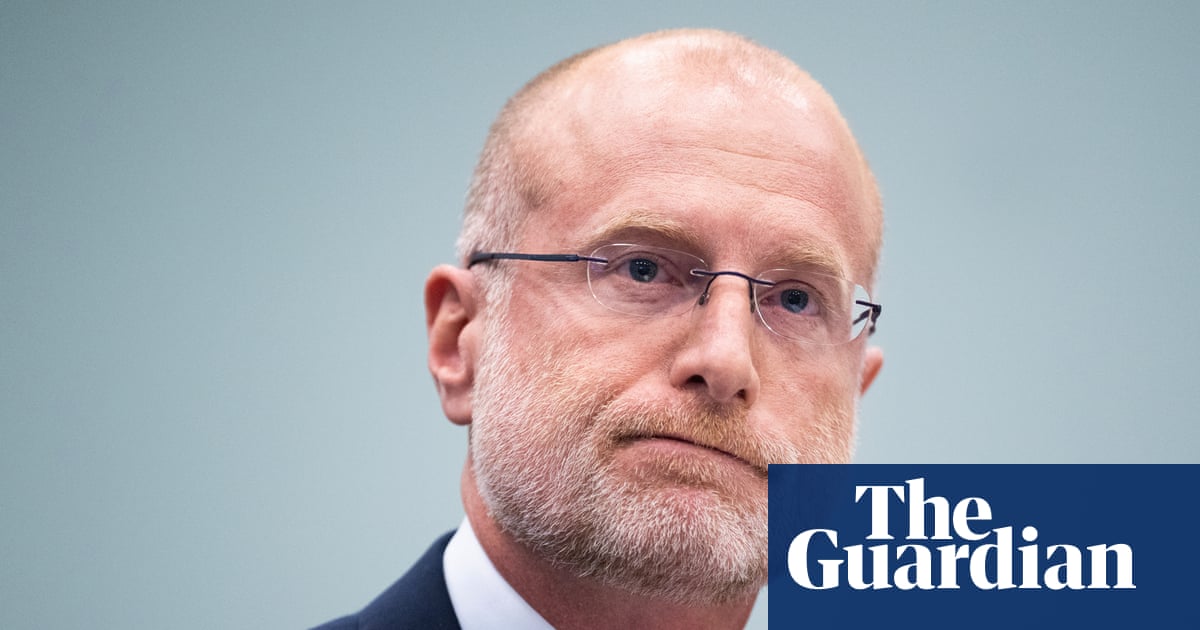
Brendan Carr, the chair of the Federal Communications Commission (FCC), has issued a stark warning to US broadcasters regarding their coverage of the ongoing conflict in Iran. He has threatened to revoke the spectrum permits of those he deems to be spreading ‘hoaxes and news distortions’ about the war. Carr's comments, made via social media, emphasize that broadcasters must operate in the public interest, and failure to do so could result in losing their licenses during renewal periods. This move comes amid rising concerns over misinformation in media, particularly as it relates to sensitive geopolitical issues. Carr stated, "Broadcasters running fake news have a chance now to correct course before their license renewals come up. The law is clear. Broadcasters must operate in the public interest, and they will lose their licenses if they do not."
The implications of Carr's warning extend beyond the US, as it raises questions about media accountability and the role of regulation in ensuring accurate reporting. In the UK, farmers, agronomists, and agricultural suppliers should be particularly attentive to these developments, as misinformation can significantly impact market dynamics and public perception of agricultural practices. For instance, misleading reports about agricultural impacts of international conflicts can lead to market volatility, affecting commodity prices and supply chains.
Moreover, the agricultural sector is increasingly influenced by global events, including conflicts that can disrupt trade routes and affect the availability of inputs such as fertilizers and feed. As UK farmers navigate these challenges, they must remain vigilant about the sources of information they rely on and advocate for transparency and accuracy in reporting that affects their livelihoods.
Looking ahead, stakeholders in the agricultural sector should monitor how this situation unfolds in the US and consider its potential ripple effects on UK media practices and regulatory approaches. It may also prompt discussions within the UK about the need for clearer guidelines on media reporting standards, particularly in relation to agriculture and food security. Farmers and agronomists should also engage with local media to ensure that their perspectives and the realities of agricultural practices are accurately represented, thereby helping to combat misinformation at the grassroots level.