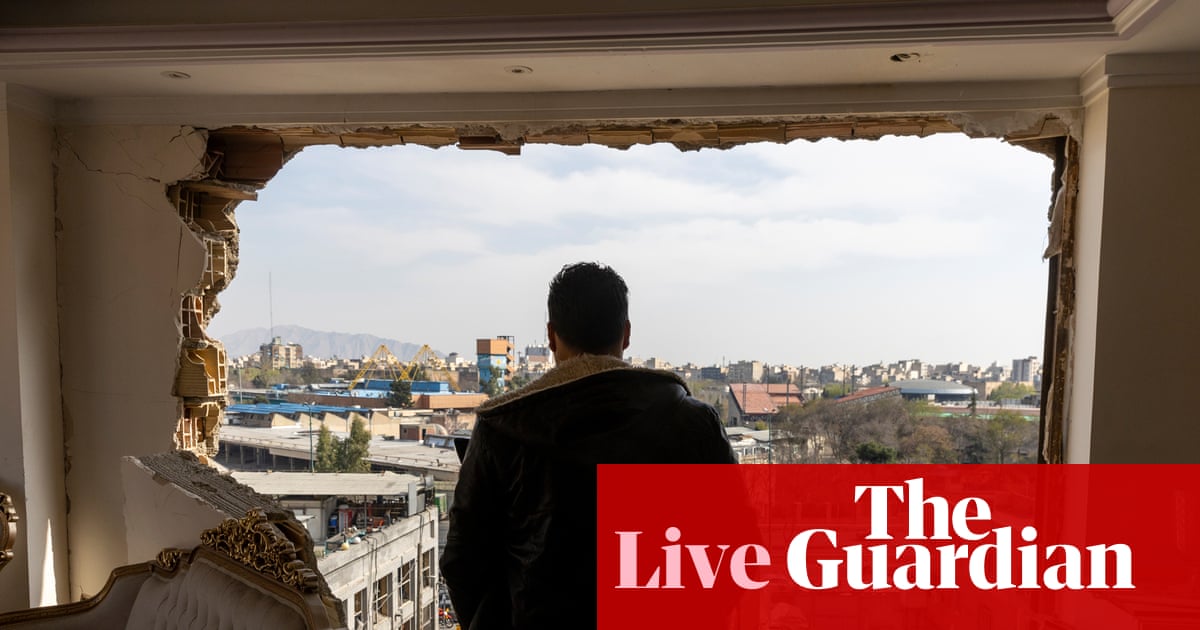
Iran threatens to escalate war after Trump says ‘many countries’ will send warships to strait of Hormuz
Tensions in the Middle East have escalated dramatically following remarks from US President Donald Trump, who suggested that multiple nations, including China, France, Japan, and the UK, would send naval vessels to the Strait of Hormuz. This strategic waterway is crucial for global oil transport, and Iran has threatened to retaliate against any US-affiliated facilities in the region. The situation has intensified as Iran continues to launch daily attacks on oil infrastructure and other targets in response to the ongoing US-Israeli military operations, which have now entered their third week. The implications of these developments are significant, particularly for UK farmers and agronomists, as disruptions in oil supply chains can lead to increased fuel prices and operational costs across the agricultural sector.
Key Developments
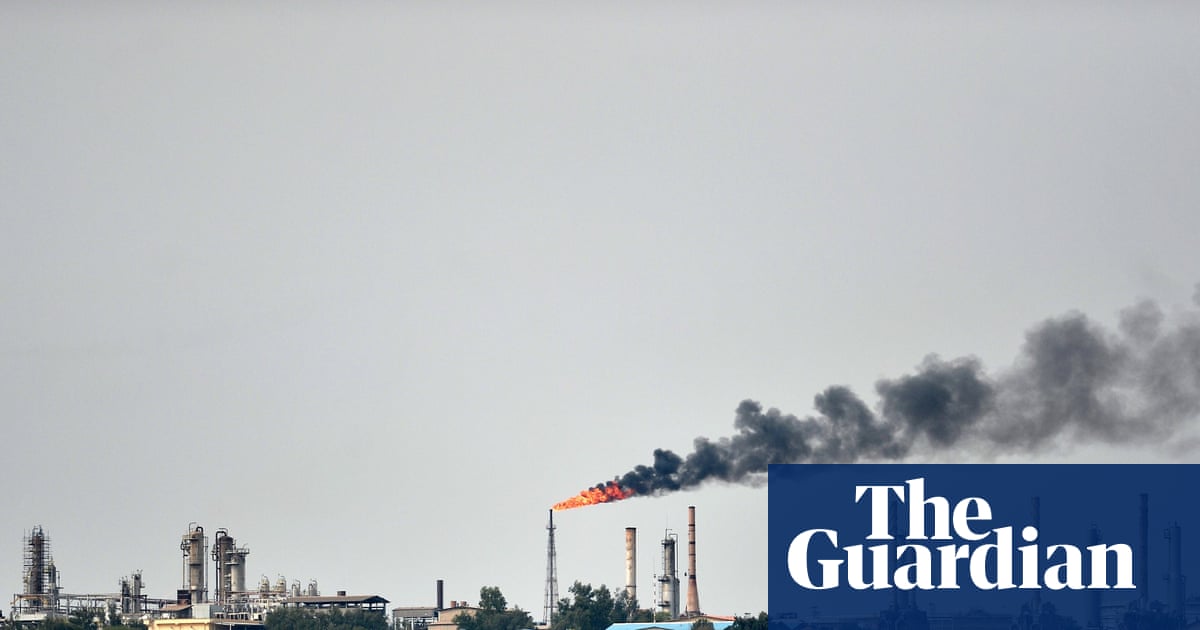
The Strait of Hormuz, through which approximately 20% of the world's oil passes, has become a focal point of geopolitical tension. President Trump’s call for international naval support comes after the US conducted airstrikes on Iranian oil facilities on Kharg Island, a critical hub for Iran's oil exports. In retaliation, Iranian officials have warned that they will target any facilities linked to the US, raising fears of broader conflict in the region.
Iran’s military response has included daily strikes on oil installations and other infrastructure throughout the Gulf, as well as attacks directed at Israel. These actions are part of Iran's strategy to assert its influence and retaliate against perceived aggressions from the US and its allies. The Iranian Foreign Minister, Mohammad Javad Zarif, stated, "We will not allow any foreign military presence to threaten our sovereignty."
Context and Background
The current crisis can be traced back to the US withdrawal from the Iran nuclear deal in 2018, which led to the re-imposition of sanctions on Iran. This has severely impacted Iran's economy and its oil exports, prompting the country to adopt a more aggressive military posture. The recent US-Israeli offensive is seen as an attempt to curb Iran's influence in the region, particularly in light of its support for militant groups and its nuclear ambitions.
The Strait of Hormuz has historically been a flashpoint for conflict, with previous incidents of tanker seizures and military confrontations. The potential for a military escalation raises concerns not only for regional stability but also for global oil prices, which can have a cascading effect on various sectors, including agriculture.
Implications for UK Farmers and Agronomists
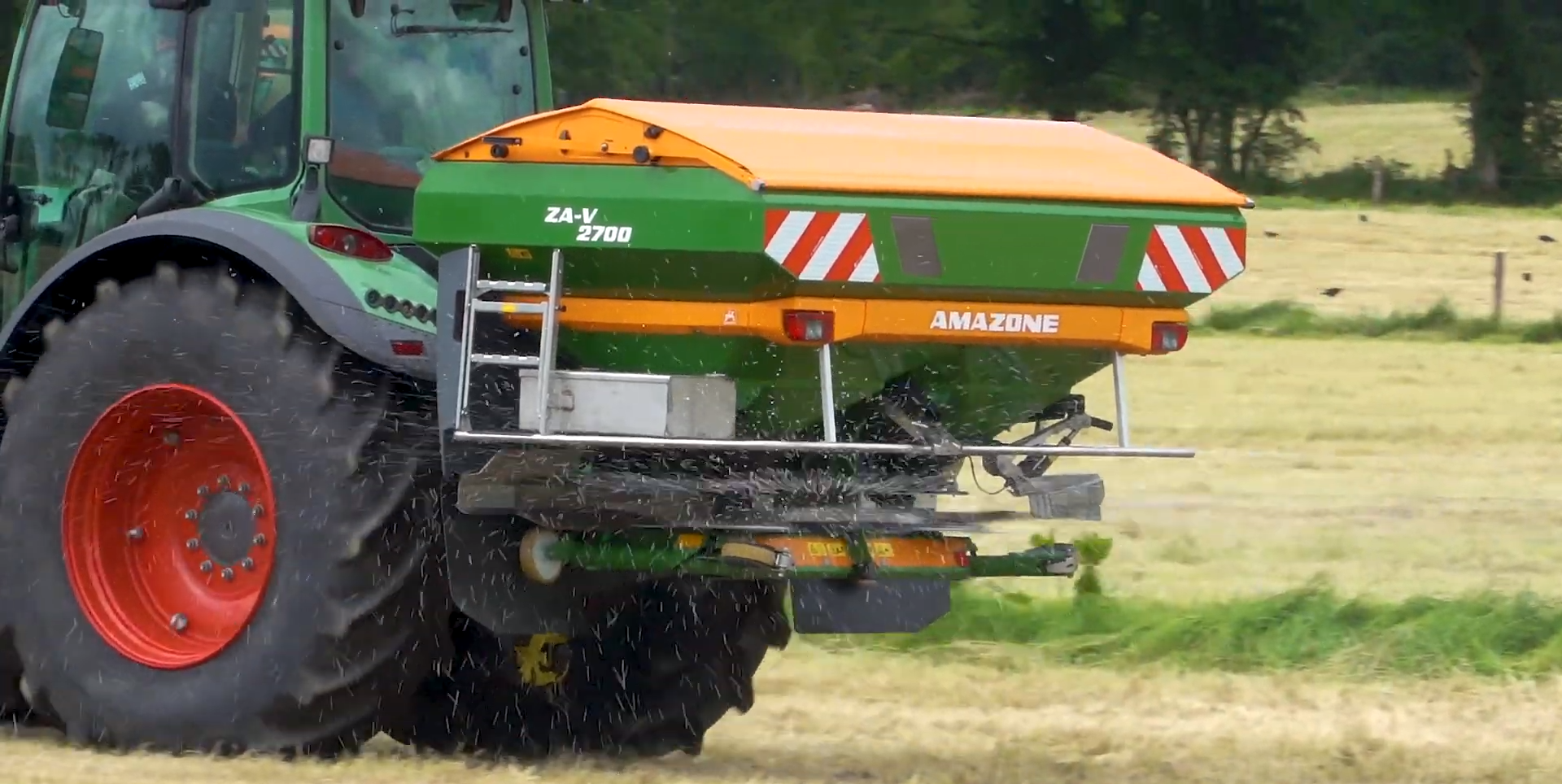
For UK farmers and agronomists, the situation in the Middle East has direct implications. Rising oil prices can lead to increased costs for fuel, fertilizers, and transportation, all of which are critical components of agricultural operations. With the UK heavily reliant on imports for various agricultural inputs, any disruption in global oil supply chains could exacerbate existing supply chain issues and lead to higher prices for consumers.
Additionally, the volatility in the Middle East may lead to increased market uncertainty, affecting commodity prices and potentially impacting farmers' profitability. Agronomists and agricultural suppliers should closely monitor the situation, as shifts in oil prices and availability can influence everything from planting decisions to harvest logistics.
What to Watch Next
Farmers and agronomists should keep an eye on developments in the Strait of Hormuz and the broader Middle East. Key indicators to watch include:
- Oil Prices: Fluctuations in oil prices will directly impact fuel and operational costs.
- Military Developments: Any escalation in military actions could lead to further instability in oil supply chains.
- Government Responses: The UK government's stance on military involvement and its implications for trade and agriculture should be closely monitored.
Looking Ahead
As tensions continue to rise, the agricultural sector must prepare for potential disruptions. The situation underscores the interconnectedness of global markets and the importance of strategic planning in the face of geopolitical uncertainties. Farmers and agronomists may need to adapt their strategies to mitigate risks associated with rising costs and supply chain disruptions. In the long term, this crisis may also prompt discussions on energy independence and the need for sustainable practices within the agricultural sector to reduce reliance on volatile fossil fuel markets.