London's Burning actor John Alford dies in prison
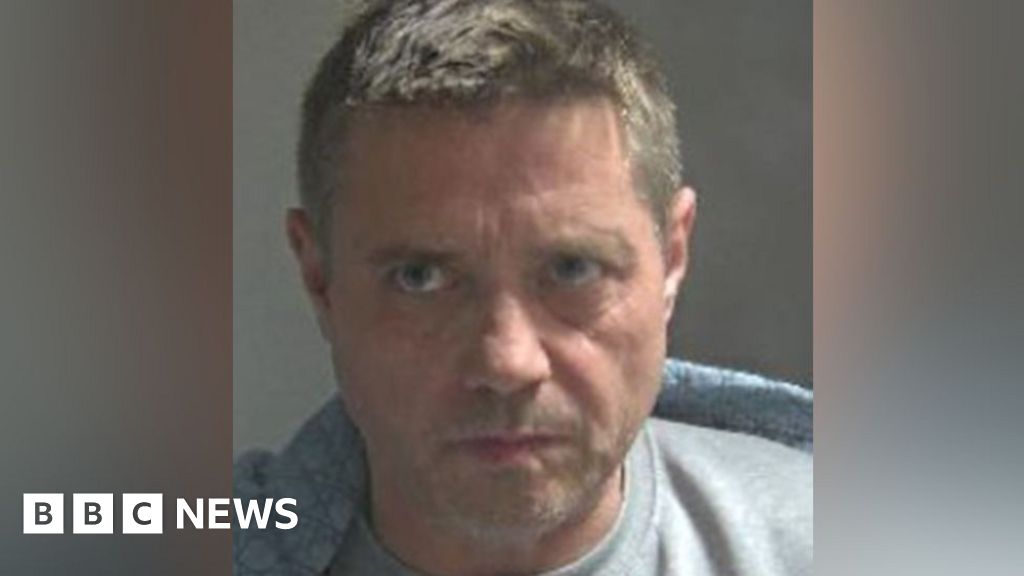
The recent death of actor John Alford, known for his roles in 'Grange Hill' and 'London's Burning', has raised significant attention following his conviction for sexually assaulting two teenage girls. Alford, 54, was discovered dead in HMP Bure, Norfolk, just two months after being sentenced to eight-and-a-half years in prison for his crimes. His passing, which is now under investigation by the Prisons and Probation Ombudsman, has sparked discussions about the implications of such cases on public safety and the rehabilitation of offenders. Alford's history of legal troubles, including a previous conviction for drug offenses, highlights the complexities surrounding celebrity culture and accountability. This incident serves as a reminder of the ongoing issues of sexual exploitation and the importance of safeguarding vulnerable individuals, particularly in the context of youth and community welfare.
Background on John Alford
John Alford, whose real name was John Shannon, gained fame in the 1980s and 1990s through his roles in popular television series. His career began with the BBC children's show 'Grange Hill', where he portrayed a rebellious character, and later transitioned to the ITV drama 'London's Burning', where he played a firefighter. However, his career was marred by legal issues, including a conviction in 1997 for supplying drugs, which led to a nine-month prison sentence. His recent conviction for sexual assault has overshadowed his previous accomplishments and raised questions about the impact of celebrity status on accountability.
The Conviction and Sentencing
In September 2025, Alford was found guilty of multiple counts of sexual activity with minors, specifically targeting two girls aged 14 and 15. The prosecution detailed how he provided alcohol to the victims before committing the offenses, emphasizing his awareness of their ages and the exploitation involved. The court highlighted the significant and ongoing impact of his actions on the victims' lives, leading to a substantial prison sentence. Alford's denial of the charges and his emotional reaction upon hearing the verdict reflect the complexities of dealing with such serious allegations.
Implications for Society
Alford's death in custody raises critical questions about the treatment of offenders and the safety of individuals within the prison system. The investigation by the Prisons and Probation Ombudsman will seek to uncover the circumstances surrounding his death, which is standard procedure for all deaths in custody. This incident also brings to light the broader societal issues of sexual violence and the need for effective measures to protect vulnerable populations, particularly minors. The case serves as a stark reminder of the responsibilities that come with authority and the potential consequences of failing to uphold them.
Relevance to the Community
While Alford's case may seem distant from the agricultural community, it underscores the importance of safeguarding practices in all sectors, including agriculture. Farmers, agronomists, and agricultural suppliers often engage with young individuals through educational programs, internships, and community outreach. Ensuring a safe environment for youth is paramount, and this case serves as a reminder of the vigilance required to protect against exploitation in any form. Furthermore, the discussion surrounding accountability and rehabilitation is relevant to all sectors, emphasizing the need for comprehensive approaches to address criminal behavior and support victims.
Looking Ahead
As the investigation into Alford's death unfolds, it is crucial for society to reflect on the implications of celebrity culture, accountability, and the protection of vulnerable individuals. This incident should prompt discussions about the effectiveness of current safeguarding measures and the importance of creating safe environments for all, particularly for young people. Moving forward, there is a need for increased awareness and proactive measures to prevent exploitation and ensure justice for victims. The agricultural community, along with other sectors, must remain vigilant and committed to fostering safe and supportive environments for all individuals, particularly the youth who represent the future of the industry.