All farming news

Policy paper: Strategic Policy Statement for the Environment Agency

DEFRA Atom

The UK government has released a new Strategic Policy Statement for the Environment Agency, outlining its expectations for the agency's role in environmental protection, economic growth, water reform, and national resilience. This policy paper is significant as it sets the framework for how the Environment Agency will operate in the coming years, particularly in relation to agricultural practices and water management, which are critical for UK farmers and agronomists. The statement emphasizes the need for a balanced approach that supports both environmental sustainability and agricultural productivity, reflecting the government's commitment to achieving net-zero emissions while ensuring food security. Key areas of focus include improving water quality, managing flood risks, and enhancing biodiversity, all of which directly impact farming operations. Farmers should be aware of potential regulatory changes that may arise from this policy, particularly concerning water usage and environmental compliance. As the Environment Agency aligns its strategies with these new directives, agricultural suppliers may also need to adapt their products and services to meet evolving environmental standards. Stakeholders are encouraged to monitor developments closely, as the implementation of this policy could lead to increased scrutiny of agricultural practices and a push for more sustainable methods. The implications of this policy are profound, as it not only shapes the regulatory landscape but also influences funding opportunities for environmentally friendly initiatives within the agricultural sector.


Read full article at DEFRA Atom

Related stories

The NFU Education's Science Farm Live initiative has successfully engaged 255,000 pupils across the UK by bringing farming directly into classrooms. This program aims to enhance students' understanding of agriculture and its significance in food production and the environment. By integrating farming concepts into the science curriculum, the initiative not only educates young people about the agricultural sector but also fosters a greater appreciation for rural businesses and sustainable practices. This outreach is crucial for the future of UK agriculture, as it helps cultivate a knowledgeable generation that may pursue careers in farming and related fields.

Donald Trump's recent comments on Iran's military actions in the Gulf have raised concerns about potential escalations in the region. For UK farmers, this could mean fluctuations in fuel prices and disruptions in trade routes, impacting agricultural supply chains and market stability.

British conservatives are increasingly aligning with the American right, particularly the MAGA movement, as they seek to harness populist sentiments for political gain. This shift could have significant implications for UK agricultural policy, trade agreements, and labor availability, making it crucial for farmers and agronomists to stay informed and engaged with evolving political dynamics.

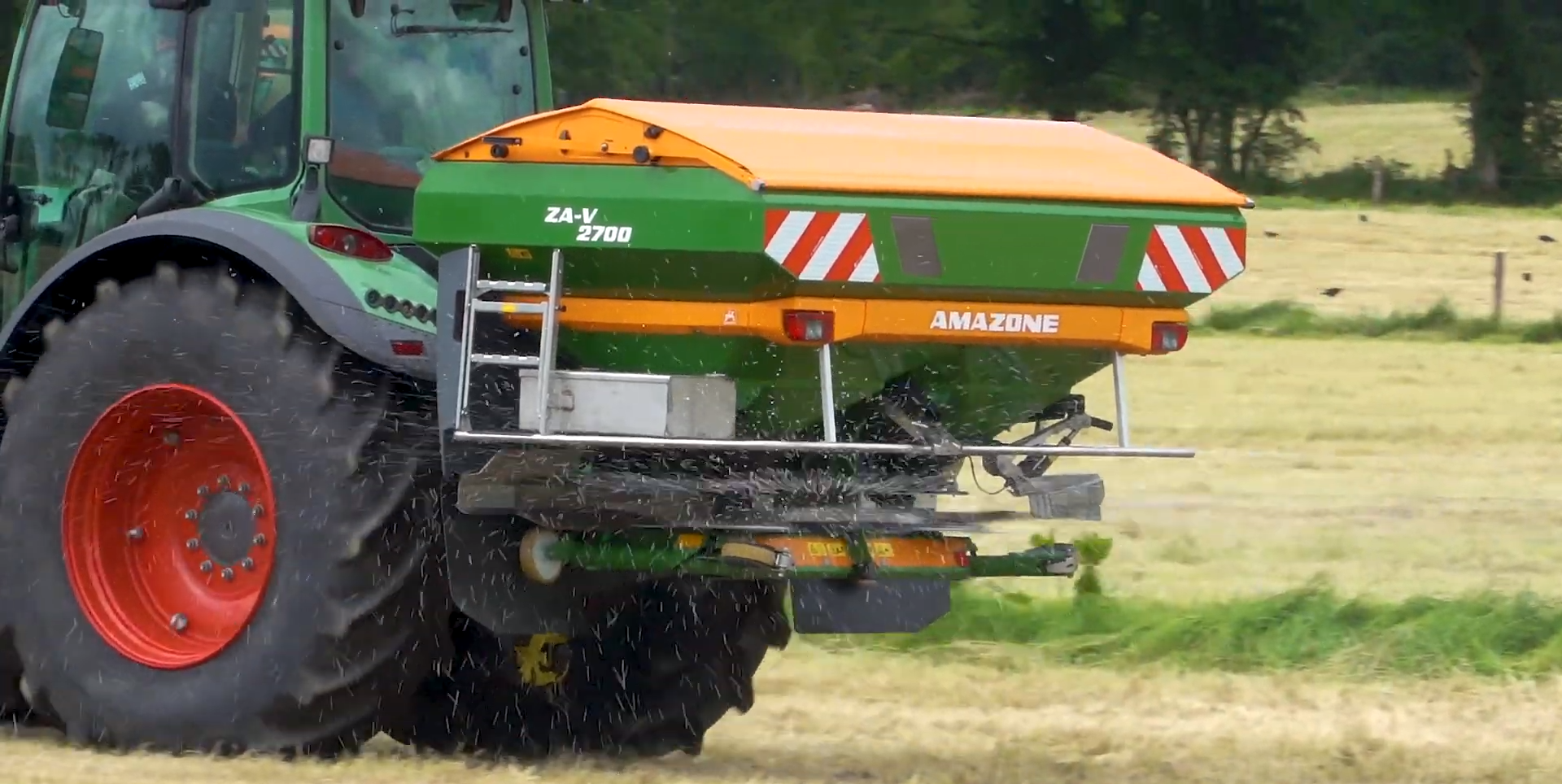
As May approaches, UK farmers are under pressure to apply fertiliser to silage ground, with many still having full slurry tanks and stored fertiliser. The timely application of fertiliser is crucial for optimal grass growth, which directly impacts silage quality and yield. Delays in fertiliser application could lead to reduced forage availability, affecting livestock feed during the critical summer months. This situation highlights the importance of effective farm management and planning in ensuring that farmers can meet the nutritional needs of their livestock.

Latest farming news