All farming news

Reform UK government would replace top civil servants with policy ‘believers’

Guardian UK

Reform UK, a political party advocating for significant changes in government structure, has announced plans to replace top civil servants, known as permanent secretaries, with individuals who align more closely with the party's policies. This move stems from a belief among senior party figures that current civil servants are not adequately fulfilling their roles in implementing government priorities. The proposed changes would see a mix of new appointments from outside the civil service and promotions from within, targeting departments deemed ineffective under the current leadership. This shift could have profound implications for the agricultural sector, particularly in how policies affecting farmers, agronomists, and agricultural suppliers are developed and implemented. The agricultural community has often expressed concerns about bureaucratic inefficiencies and a lack of understanding of farming realities among policymakers. If Reform UK gains power, the replacement of civil servants could lead to a more responsive and aligned approach to agricultural policy, but it also raises questions about continuity and expertise within government departments. Farmers and agronomists should monitor these developments closely, as changes in leadership could influence everything from subsidy allocations to environmental regulations. The potential for a more ideologically driven administration may also affect the stability of agricultural markets and the regulatory landscape. Stakeholders are advised to prepare for a period of adjustment and to engage proactively with any new leadership to ensure that the needs of the agricultural sector are adequately represented and addressed.


Read full article at Guardian UK

Related stories

The NFU Education's Science Farm Live initiative has successfully engaged 255,000 pupils across the UK by bringing farming directly into classrooms. This program aims to enhance students' understanding of agriculture and its significance in food production and the environment. By integrating farming concepts into the science curriculum, the initiative not only educates young people about the agricultural sector but also fosters a greater appreciation for rural businesses and sustainable practices. This outreach is crucial for the future of UK agriculture, as it helps cultivate a knowledgeable generation that may pursue careers in farming and related fields.

Donald Trump's recent comments on Iran's military actions in the Gulf have raised concerns about potential escalations in the region. For UK farmers, this could mean fluctuations in fuel prices and disruptions in trade routes, impacting agricultural supply chains and market stability.

British conservatives are increasingly aligning with the American right, particularly the MAGA movement, as they seek to harness populist sentiments for political gain. This shift could have significant implications for UK agricultural policy, trade agreements, and labor availability, making it crucial for farmers and agronomists to stay informed and engaged with evolving political dynamics.

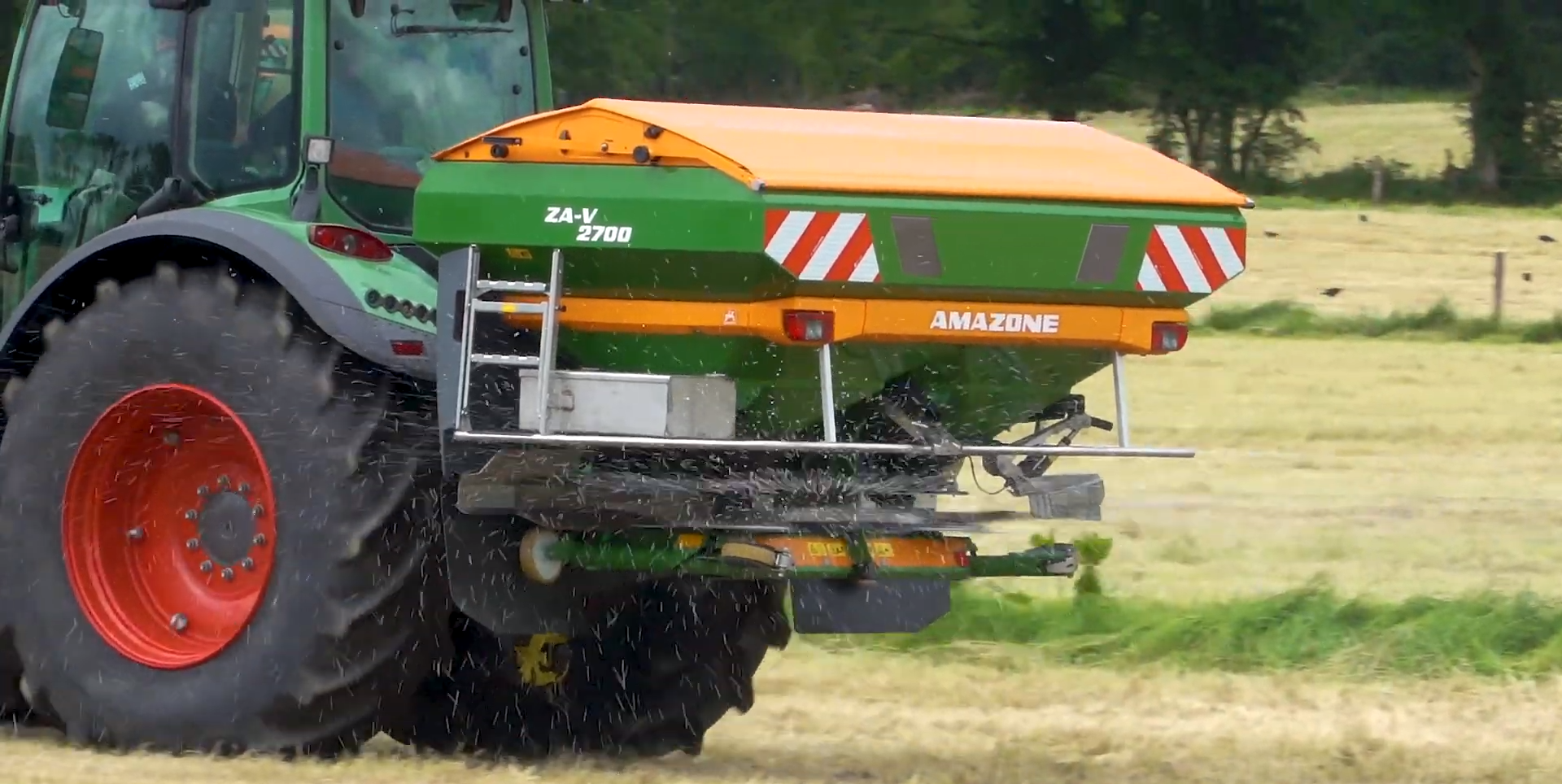
As May approaches, UK farmers are under pressure to apply fertiliser to silage ground, with many still having full slurry tanks and stored fertiliser. The timely application of fertiliser is crucial for optimal grass growth, which directly impacts silage quality and yield. Delays in fertiliser application could lead to reduced forage availability, affecting livestock feed during the critical summer months. This situation highlights the importance of effective farm management and planning in ensuring that farmers can meet the nutritional needs of their livestock.

Latest farming news