
Trapezes and artists: world’s oldest circus restored to original glory in Paris
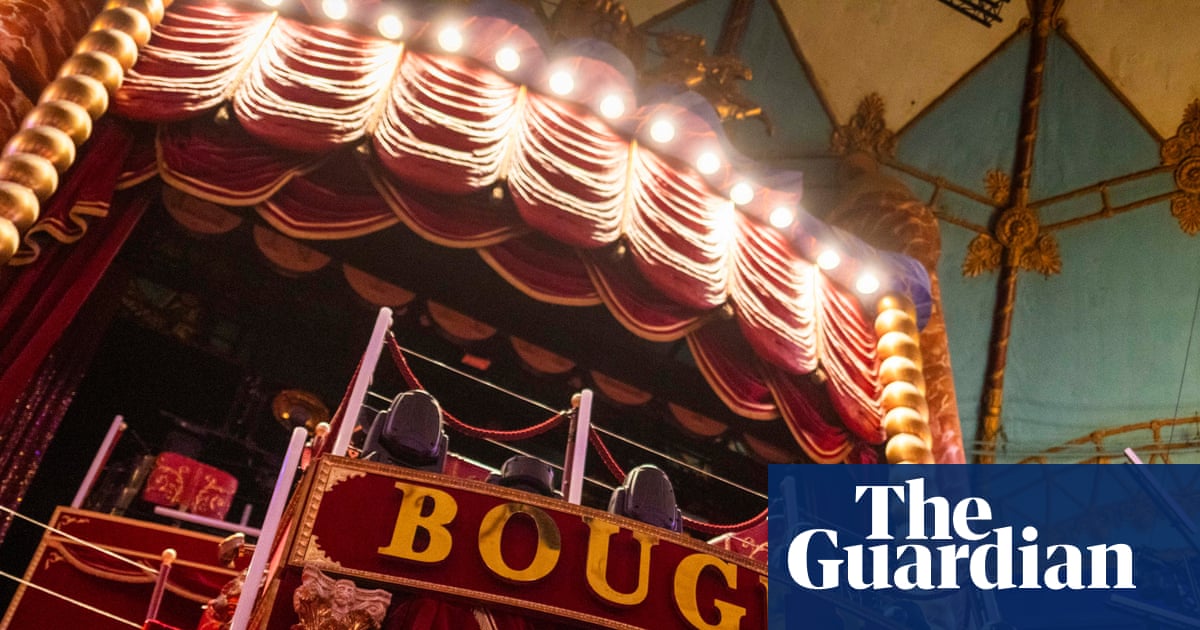
The Cirque d’Hiver in Paris, the world’s oldest circus, has undergone a significant restoration, returning it to its original grandeur after years of decline. Established in 1852, the venue has hosted numerous iconic performances, including those by gymnast Jules Léotard, who famously performed trapeze acts without a safety net. The recent renovation aims to preserve its historical significance while enhancing the audience experience with modern amenities. This restoration is not just a cultural revival; it reflects a broader trend in the arts and entertainment sectors, where heritage sites are being revitalized to attract new audiences. For UK farmers, agronomists, and agricultural suppliers, this development underscores the importance of heritage and tourism in rural economies. As the UK continues to navigate post-Brexit challenges, diversifying income streams through agritourism and cultural events can provide additional revenue. Farmers should consider how their own heritage can be leveraged to attract visitors, potentially integrating agricultural experiences with local cultural events. The Cirque d’Hiver's revival serves as a reminder of the value of preserving history while adapting to contemporary demands, a lesson that can resonate across various sectors, including agriculture. Observing how this restoration impacts local tourism and economic activity could provide insights for similar initiatives in the UK.