All farming news

UK must build own nuclear missiles to end reliance on US, say Lib Dems
BBC News General

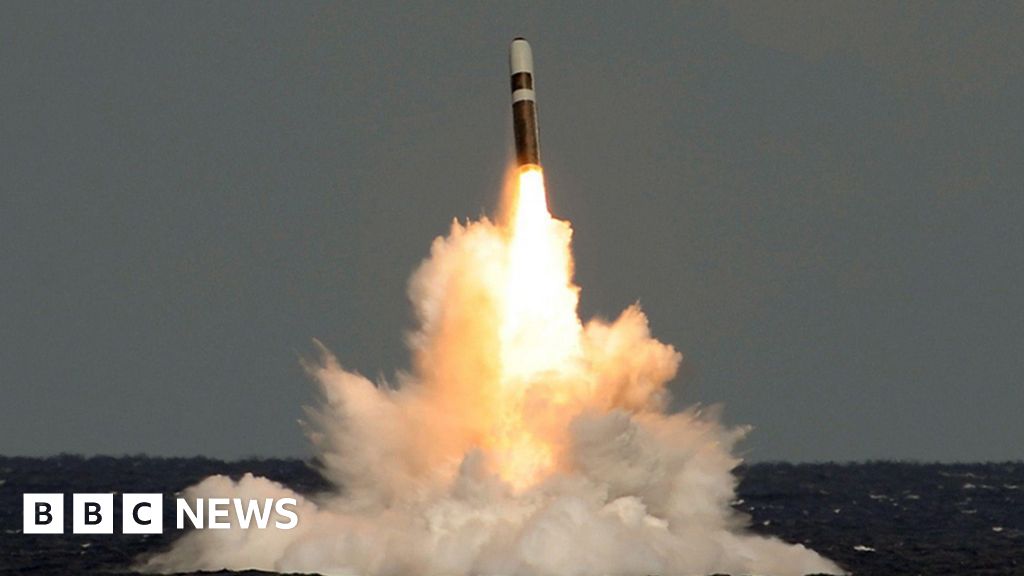
The Liberal Democrats, led by Sir Ed Davey, are advocating for the UK to establish a fully independent nuclear deterrent, aiming to reduce reliance on the United States. In a recent speech, Davey highlighted the risks of depending on US support, particularly in light of changing political landscapes. The UK currently operates its nuclear arsenal with American-built Trident missiles, a system that has been in place since the 1960s under a technology-sharing agreement. Davey argues that the UK should invest in its own nuclear capabilities, citing the need for a deterrent that is not influenced by foreign political changes, particularly referencing the unpredictability of former US President Donald Trump. The proposal suggests a two-stage approach: first, maintaining the existing Trident system domestically, and eventually developing a fully British-made replacement. This initiative, however, raises questions about the financial implications, as no cost estimates have been provided, and the potential expenditure could surpass current Trident replacement plans. The Ministry of Defence has reiterated that the UK's nuclear deterrent is crucial for national security and remains committed to NATO. The discussion around an independent nuclear capability is particularly relevant for UK farmers, agronomists, and agricultural suppliers, as national security directly influences agricultural policy, trade agreements, and overall stability in the region. As the debate unfolds, stakeholders should monitor how this proposal may affect defence spending and its implications for agricultural funding and support. The call for an independent nuclear deterrent could also influence public sentiment and political priorities, potentially reshaping future agricultural policies and investments in rural areas.


Read full article at BBC News General

Related stories

The NFU Education's Science Farm Live initiative has successfully engaged 255,000 pupils across the UK by bringing farming directly into classrooms. This program aims to enhance students' understanding of agriculture and its significance in food production and the environment. By integrating farming concepts into the science curriculum, the initiative not only educates young people about the agricultural sector but also fosters a greater appreciation for rural businesses and sustainable practices. This outreach is crucial for the future of UK agriculture, as it helps cultivate a knowledgeable generation that may pursue careers in farming and related fields.

Donald Trump's recent comments on Iran's military actions in the Gulf have raised concerns about potential escalations in the region. For UK farmers, this could mean fluctuations in fuel prices and disruptions in trade routes, impacting agricultural supply chains and market stability.

British conservatives are increasingly aligning with the American right, particularly the MAGA movement, as they seek to harness populist sentiments for political gain. This shift could have significant implications for UK agricultural policy, trade agreements, and labor availability, making it crucial for farmers and agronomists to stay informed and engaged with evolving political dynamics.

As May approaches, UK farmers are under pressure to apply fertiliser to silage ground, with many still having full slurry tanks and stored fertiliser. The timely application of fertiliser is crucial for optimal grass growth, which directly impacts silage quality and yield. Delays in fertiliser application could lead to reduced forage availability, affecting livestock feed during the critical summer months. This situation highlights the importance of effective farm management and planning in ensuring that farmers can meet the nutritional needs of their livestock.

Latest farming news